Trading, A Complete Beginner's Guide to Swing Trading Success
Need articles like this for your video? They help promote it on YouTube and Google — order them in the Telegram bot @sat_sit_bot. The bot writes and publishes the articles itself (with your YouTube video embedded) on popular topical websites (no ads). Try it free: 50 articles on us.
· based on the channel Trade with Pat
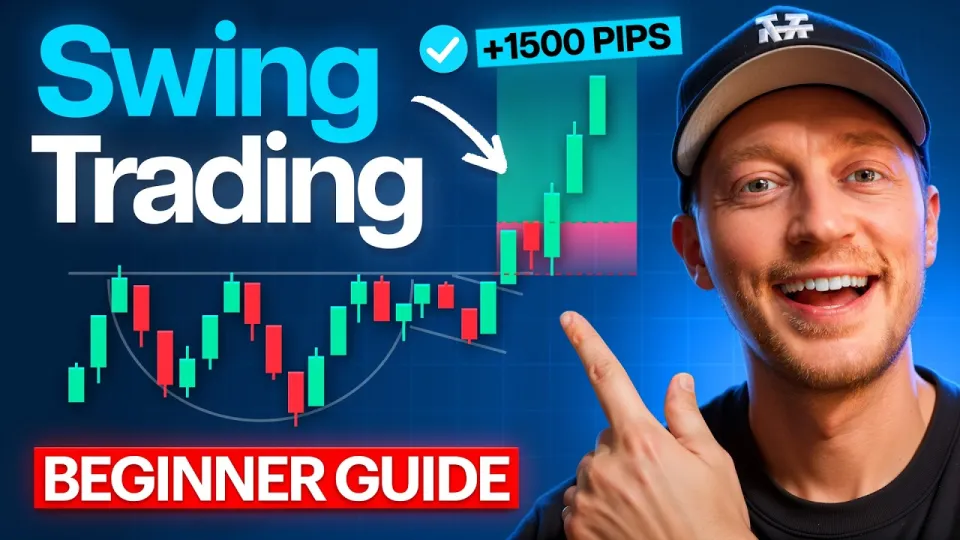
Swing trading is a popular trading style that aims to capture gains in a stock, forex, or cryptocurrency over a few days to several weeks. It is a suitable approach for beginners seeking a less stressful alternative to day trading while still capitalizing on market trends. To get started with swing trading, you can join a free community that offers guidance and support, for example, the Trade with Pat community.
What Is Swing Trading and Why Choose It?
Swing trading involves holding positions longer than a day but shorter than long-term investing. This method targets intermediate price moves by analyzing market trends and patterns. Swing trading suits traders who cannot monitor charts constantly and prefer a balanced approach between trading frequency and profit potential. It is less stressful compared to intraday trading and often yields substantial profits by riding price swings.
Key Steps to Start Swing Trading
Starting swing trading requires a clear strategy and risk controls:
- Learn Technical Analysis: Understand chart patterns, support and resistance levels, and candlestick formations.
- Identify Trends: Use moving averages or trendlines to find the market direction.
- Set Entry and Exit Points: Determine where to enter trades, place stop losses, and take profits.
- Risk Management: Limit risk per trade to a small percentage of your capital, commonly 1-2%.
- Practice on Demo Accounts: Before trading live, practice your strategy with virtual money to build confidence.
Essential Swing Trading Strategies
There are various swing trading strategies tailored to different markets:
- Trend Following: Trade in the direction of the main trend using moving averages or price action confirmation.
- Pullback Trading: Enter trades on price retracements within a trend.
- Breakout Trading: Buy or sell when price breaks key support or resistance levels.
For example, forex swing traders often combine trend indicators with candlestick signals to time entries. Gold swing trading uses similar principles due to its volatile nature.
Managing Risk and Emotional Discipline
Risk management is crucial to long-term success in swing trading. Always define your risk before entering a trade and stick to your plan. Emotional control helps avoid impulsive decisions after losses or gains. Many beginner traders face challenges such as confidence drops after losses, as some community experiences show. Developing patience and consistency is key.
Common Questions and Challenges for Beginners
Many beginner swing traders wonder how to find reliable trades, manage losses, and stay disciplined. Typical issues include:
- Experiencing losing streaks despite following a strategy.
- Balancing risk without overleveraging.
- Knowing when to exit a trade to maximize profits.
The Trade with Pat channel offers educational content and a VIP Telegram group to help traders improve these aspects.
Useful Links for Swing Trading Beginners
- Free trading community and resources: https://bit.ly/twpcord
- Where to trade with Pat: https://bit.ly/twpRisenFX
- Weekly free trading signals: https://t.me/tradewithpatfree
- Subscribe for more strategies: https://bit.ly/FRNsubscribe
Conclusion
Swing trading offers a balanced and effective way to trade markets with manageable stress and solid profit potential. By learning technical analysis, adopting disciplined risk management, and practicing consistently, beginners can achieve meaningful trading success. Resources like Trade with Pat’s free community provide valuable support on this journey. Start your swing trading path today by joining Trade with Pat’s free community and accessing practical tools and guidance.
Key takeaways
- Swing trading focuses on capturing short- to medium-term price moves, typically holding trades for days to weeks.
- Effective swing trading requires strict risk management and disciplined trade execution.
- Trend identification and price action analysis are essential for finding profitable swing trades.
- Swing trading is less stressful than day trading and offers opportunities in forex, stocks, and crypto markets.
- Educational resources and communities, such as Trade with Pat's free group, support beginner traders.
Questions & answers
What is the main advantage of swing trading compared to day trading?
Swing trading requires less frequent monitoring and is generally less stressful, making it suitable for traders who cannot dedicate full-time attention to markets. It targets medium-term price moves over days to weeks.
How much risk should I take on each swing trade?
It is recommended to risk only 1-2% of your trading capital on any single trade. This helps protect your account from large losses and manages overall risk.
How can beginners find good swing trading opportunities?
Beginners should focus on identifying clear market trends, use technical indicators like moving averages and support/resistance, and confirm entries with price action signals. Practicing on demo accounts helps build skill.
What should I do if I experience consecutive losses in swing trading?
Losing streaks are part of trading. Maintain discipline by sticking to your strategy and risk limits, avoid increasing position sizes impulsively, and review your trades to learn from mistakes. Emotional control is crucial.
Source: How to Start Swing Trading the Complete Beginner's Guide · Markdown version